

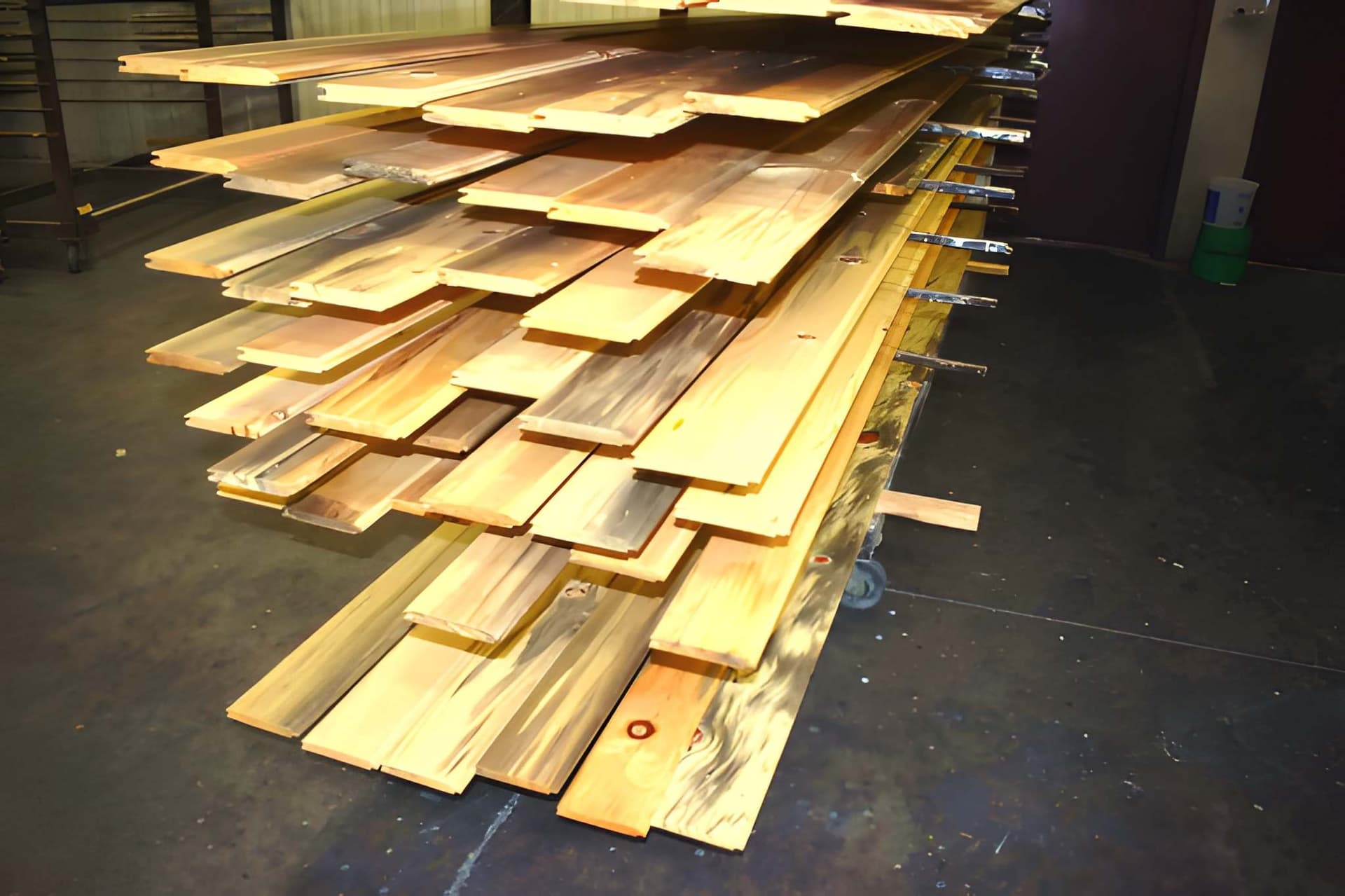
Why Specification Matters
A specification that says paint-grade millwork, painted white leaves enormous room for interpretation. Painted by whom? In what environment? With what product? To what standard? At what film thickness? With how many coats? That vagueness is where quality problems originate. The millwork supplier reads the spec and delivers raw material, assuming the GC will handle painting on-site. The GC's painter applies one coat of contractor-grade latex and calls it done. The architect walks the project and sees brush marks, inconsistent sheen, and visible grain telegraphing through thin paint. The punch list grows. The finger-pointing begins. A well-written prefinishing specification eliminates this ambiguity by defining exactly what is expected: factory application, specific coating system, named color standard, defined sheen, required film thickness, and quality acceptance criteria. It costs nothing extra to write a clear spec. It costs thousands to fix the consequences of a vague one.
Key Elements of a Prefinishing Specification
A complete prefinishing specification addresses the following elements. Product type and substrate: specify whether the millwork is MDF, poplar, oak, or other material, as coating systems perform differently on different substrates. AWI finish grade: reference the Architectural Woodwork Institute quality standards, Economy, Custom, or Premium , which define acceptable defect levels in the finished surface. Finish system: specify UV-curable, water-based, or catalyzed, and whether the system includes primer, color coat, and topcoat or a different stack. Color standard: name the exact color, a manufacturer code, a custom match, or a physical sample reference. Sheen level: specify flat, satin, semi-gloss, or gloss with a gloss meter reading range if precision matters. Film thickness: minimum dry film thickness in mils for the total system. Application requirement: explicitly state factory-applied in a controlled environment, do not leave this implied. Sample approval: require a physical sample on the actual substrate for approval before production. Delta E tolerance: for projects requiring quantitative color control, specify the maximum acceptable color difference. Touch-up provision: require the prefinisher to supply matched touch-up product for field repairs.
The Submittal Process
Once the specification is written, the submittal process ensures the prefinishing partner can execute it. The prefinisher submits a product data sheet for the proposed coating system, identifying the manufacturer, product line, and specific products for each coat in the system. A physical color sample on the actual production substrate accompanies the data sheet, this is critical because the same coating looks different on MDF versus poplar versus oak. VOC certification documents the volatile organic compound content of each coating product, referenced to the applicable standard. If the project requires AWI compliance, the prefinisher submits a statement confirming their ability to meet the specified grade. The architect or project manager reviews these submittals, requests revisions if needed, and provides written approval before production begins. This approval document becomes the contractual reference for quality acceptance. Do not skip or shortcut this process. Submittals that are rubber-stamped without genuine review are the root cause of most specification compliance disputes during construction.
Coordinating with Installation Schedule
Factory prefinished millwork requires more scheduling forethought than field-finished materials because the finish is applied before delivery rather than after installation. Lead times for prefinished millwork typically range from four to eight weeks from order placement to delivery, depending on volume, complexity, and the prefinisher's current production schedule. This means the millwork order must be placed well before the interior finish phase begins, during rough framing or early drywall on most projects. Coordinate delivery timing with site readiness. Prefinished materials should not sit on a job site exposed to construction dust, moisture, and physical damage for weeks before installation. Schedule delivery to coincide with the start of millwork installation in each area or phase. For phased projects, where different floors or buildings reach the finish stage at different times, coordinate phased deliveries with the prefinisher. Provide final field dimensions early enough to accommodate the production lead time. Dimension changes submitted after production has started will cause delays and potentially waste finished material.
A Simple Specification Checklist
Use this checklist when writing or reviewing a prefinishing specification for commercial or multi-family work. Substrate material identified and specified. AWI quality grade referenced with the appropriate edition year. Finish system type specified, UV, water-based, or other, with justification for the selection. Color standard named with a specific reference, manufacturer code, custom match sample, or other unambiguous standard. Sheen level specified with acceptable range. Minimum total dry film thickness stated in mils. Factory application in controlled environment explicitly required , not implied. Physical sample on production substrate required for approval before production. Delta E tolerance stated if quantitative color control is required. Touch-up product provision required, with VOC compliance matching the project requirements. VOC content documentation required at submittal, referencing the applicable standard. Batch documentation required to support reorder matching. Delivery coordination requirements stated, including lead time acknowledgment and phased delivery capability. This checklist is not exhaustive for every project, but it covers the elements that prevent the most common disputes between specifiers, contractors, and prefinishing partners.
Published by Woodco Prefinishing