
The Color Consistency Problem at Scale
Color variation in finished millwork is one of the most common quality complaints in commercial and multi-family construction. The sources of variation are numerous and compounding. Different painters apply coatings at different thicknesses, producing visible color shifts even with the same paint. Different batches of stain or paint from the same manufacturer can vary in tint. Ambient humidity affects how wood absorbs stain (higher humidity means slower absorption), which changes the final color depth. Substrate variation plays a role as well: sapwood and heartwood absorb coatings differently, and MDF absorbs differently than solid wood. In field finishing, these variables are uncontrolled. The first unit painted in February does not match the last unit painted in April. The millwork on the third floor does not match the millwork on the tenth floor. The owner walks through during punch list and flags dozens of color inconsistencies. The result is rework, repainting, disputes, and schedule delays that could have been avoided entirely.
Why Factory Finishing Solves This
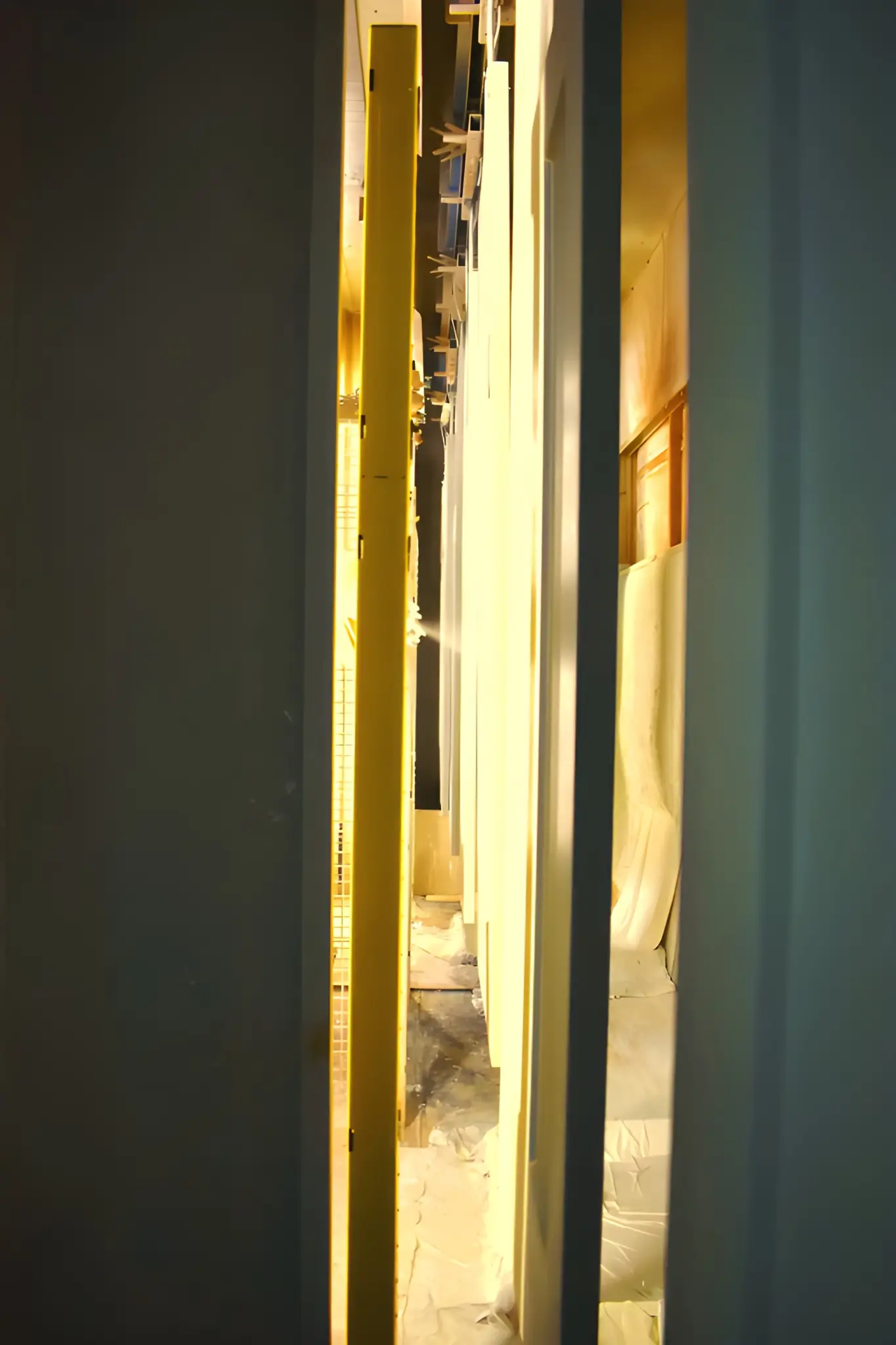
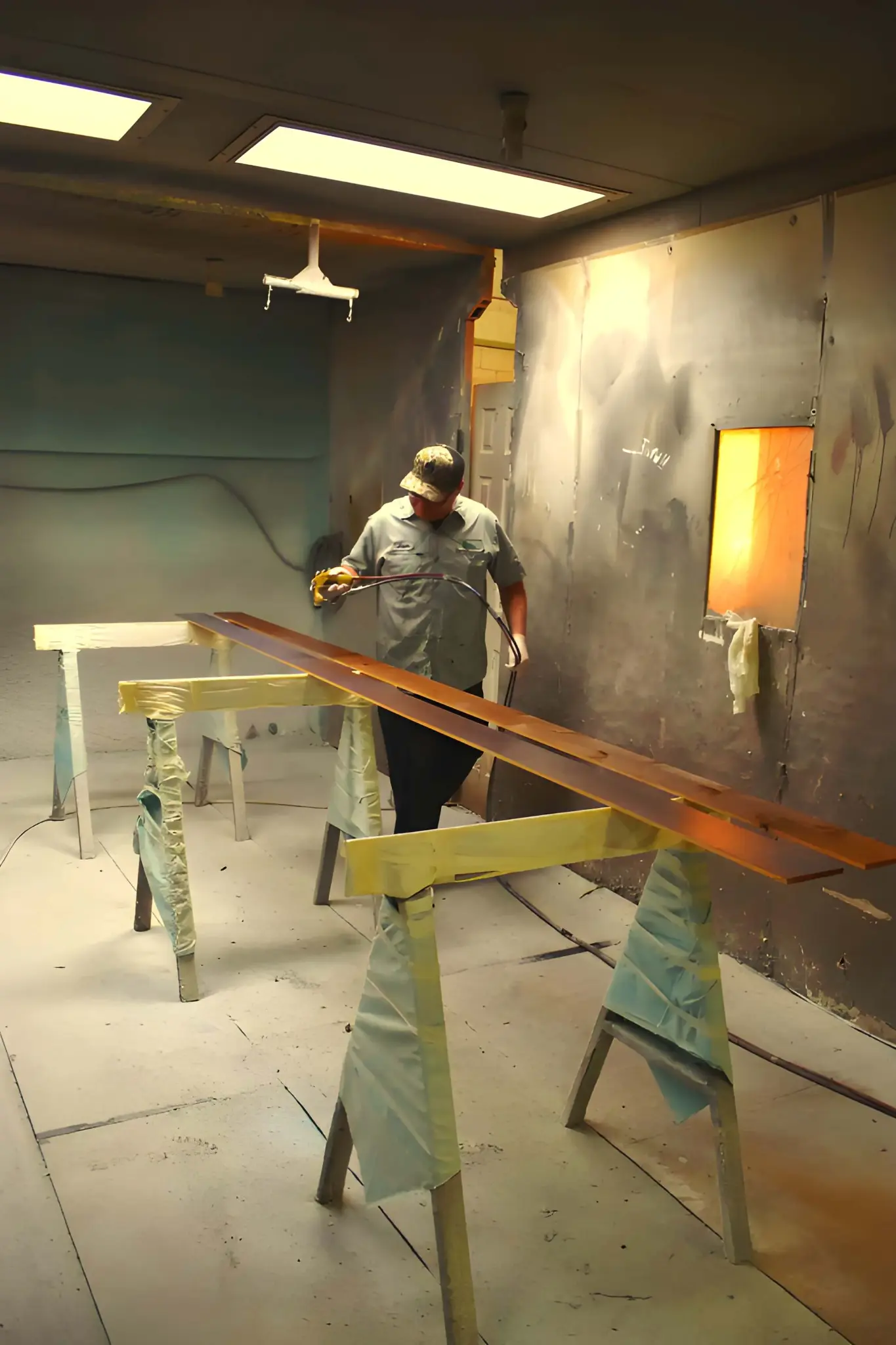
Factory finishing addresses color consistency through process control rather than individual skill. Automated spray lines apply coatings at calibrated thicknesses measured in mils, with piece-to-piece variation measured in fractions of a mil. Stain and paint are batch-mixed in volumes large enough to cover entire orders, eliminating the batch variation that occurs when field painters open multiple cans from different production runs. The factory environment is climate-controlled, temperature and humidity are held within tight ranges that eliminate the absorption variation caused by changing weather conditions. Conveyor speeds are set to deliver consistent wet-film thickness regardless of operator attention span. After coating, every piece passes through the same curing process, the same UV lamp intensity, the same oven temperature, the same exposure duration. The result is a population of finished pieces where the color variation between any two pieces is below the threshold of human perception. That is not an aspiration statement, it is a measurable outcome verified by spectrophotometer readings.
Color Standards and Documentation
Factory prefinishing supports color consistency with documentation that field finishing cannot provide. Before production begins, the prefinisher creates a physical color sample on the actual substrate material , not a paper swatch, not a digital rendering, but a coated piece of the same wood or MDF that will be used in production. The client approves this sample, and it becomes the color standard for the order. The coating formula is locked and recorded: the specific products, tint ratios, application parameters, and cure settings are documented. Batch records track which coating lot was used on which production run. Spectrophotometer readings can be taken to quantify the Delta E (color difference) between the approved sample and production pieces. These records mean that reorders match original orders, even months or years later. If a project manager orders 500 doors in March and needs 50 more in September, the factory pulls the documented formula and production parameters to reproduce the same finish. Try asking a field painter to match a color he applied six months ago in a building that has since been occupied.
The Cost of Inconsistency
Color inconsistency in delivered millwork is not just an aesthetic problem but a financial one. When an owner or architect identifies color variation during punch-list walkthrough, the correction process is expensive and disruptive. The affected pieces must be identified, which means someone walks every unit in the building comparing trim and doors. Pieces that fail must either be refinished in place, requiring masking, sanding, recoating, and dry time in an occupied or nearly occupied building, or removed and replaced, which means additional millwork, additional installation labor, and potential damage to adjacent finishes during removal. The dispute over who pays for the correction can be contentious. The painter blames the paint manufacturer. The GC blames the painter. The owner holds retention. The schedule for certificate of occupancy or tenant move-in slips. On a 200-unit apartment project, color-related punch items can easily generate $30,000 to $75,000 in correction costs, plus the less quantifiable costs of schedule delay and damaged relationships between the project team members.
Specifying for Consistency
Architects and project managers who want guaranteed color consistency need to specify it explicitly. The construction documents should require factory prefinishing , not just prefinishing, but factory application under controlled conditions. Name the color standard: either a specific manufacturer color code, a custom color match to a provided sample, or a reference standard such as AWI finish standards. Require sample approval on the actual production substrate before production begins. Include a Delta E tolerance if the project warrants quantitative color control, a Delta E of 1.0 or less is a common specification for premium commercial work, while 2.0 is acceptable for most standard applications. Require that the prefinisher maintain batch records and formula documentation to support reorder matching. Specify that all pieces for a given area or phase be produced from the same coating batch where possible. These specification elements are straightforward to write and straightforward for a capable prefinishing partner to execute. They transform color consistency from a hope into a contractual requirement with documented verification.
Published by Woodco Prefinishing